


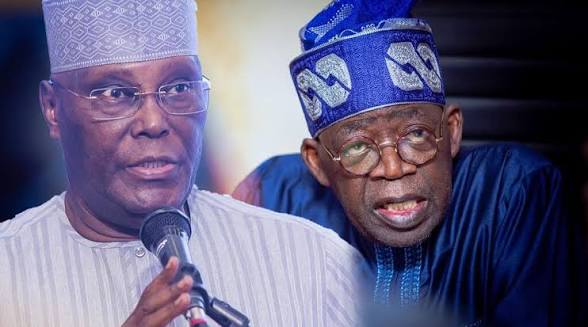
The persistent electricity crisis has triggered a fresh political dispute between the All Progressives Congress (APC) and former Vice-President Atiku Abubakar, with both sides offering sharply different assessments of President Bola Tinubu’s performance in the power sector.
Titiansloaded reports that the APC Presidential Campaign Council says the administration is working towards fulfilling its electricity commitments, Atiku insists that Nigerians have endured years of unreliable supply without seeing meaningful improvements.
The disagreement comes ahead of the 2027 general elections, as households and businesses continue to contend with power outages, rising electricity costs and the expense of alternative energy sources.
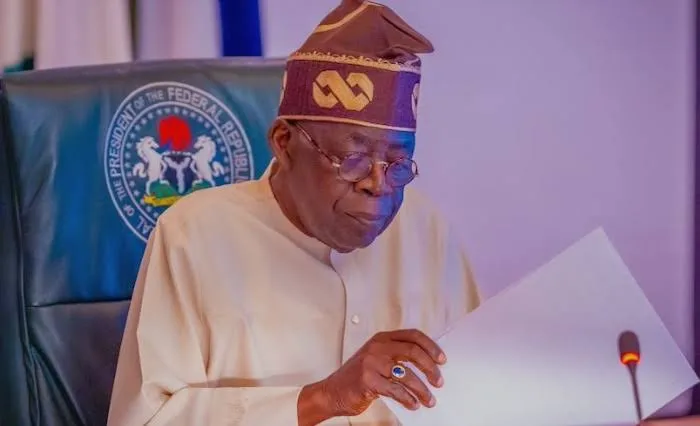
In a statement on Sunday, APC campaign council spokesperson and Minister of Solid Minerals, Dele Alake, urged Nigerians to assess Tinubu’s 2023 campaign pledge in its entirety.
He recalled that the President had promised stable electricity and an end to estimated billing, while also saying voters should reject him if he failed to deliver without providing satisfactory reasons.
Alake said the administration had introduced reforms aimed at addressing longstanding problems in the sector. These include signing the Electricity Act 2023, which allows states to establish electricity markets and regulate generation, transmission and distribution within their jurisdictions.
He noted that several states, including Lagos, Enugu, Abia, Ekiti, Oyo, Kaduna and Niger, had begun establishing regulatory agencies to attract investment.
The council also cited a Presidential Metering Initiative intended to reduce a gap of more than seven million customers, claiming that over 1.5 million consumers had been metered in the past three years.
It further highlighted efforts to settle verified legacy debts, upgrade transmission infrastructure and expand solar electricity access in underserved communities.
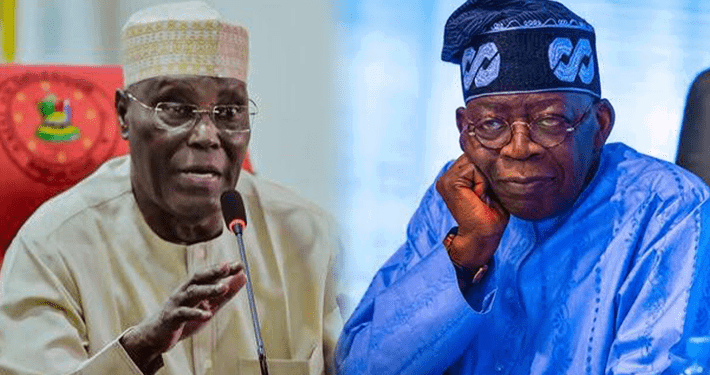
Alake acknowledged that the sector’s challenges remained unresolved but maintained that the President was pursuing reforms and would explain the administration’s record ahead of seeking re-election.
Atiku, however, rejected the council’s defence, saying government legislation, debt settlements and project approvals could not replace reliable electricity.
In a statement issued by ADC campaign communication director Phrank Shaibu, the former vice-president said Nigerians had experienced Tinubu’s tenure and deserved direct answers about the continued power shortages.
Atiku argued that settling outstanding debts owed to power companies was different from increasing generation capacity. He also questioned the administration’s record on new power infrastructure and criticised electricity tariffs, saying consumers continued to pay despite poor service.
He specifically raised concerns about the proposed removal of electricity subsidies from 2027, asking the government to clarify how the policy could affect household and business bills.
Atiku pledged that, if elected, he would work with state governments and regulators to replace the existing electricity band system with a more affordable and transparent tariff framework, while holding distribution companies accountable for service quality.
The dispute has placed electricity supply, pricing and sector reforms among the key issues likely to shape the 2027 election debate.

