



Former Senate Chief Whip, Ali Ndume, has accused the Federal Government of mishandling its tax reform programmes, warning that the process has weakened public confidence in the country’s tax system.
Titiansloaded reports that the senator said Nigerians were generally willing to meet their tax obligations but expected the government to explain its policies and involve citizens before introducing changes.
Ndume made the remarks during an interview on Arise News’ One on One, where he criticised the administration’s handling of the reforms.

He maintained that elected officials and government appointees should remember that their responsibility is to serve Nigerians, not demand unquestioning acceptance of government decisions.
“The President is the President of Nigeria. He’s a servant of the people. We, Nigerians, are not the servants of the President, talk less of his aides,” he said.
The lawmaker also accused some officials involved in the tax reform process of displaying an attitude that disregards the concerns of ordinary citizens.
He recalled that Nigerians had paid various forms of taxes over the years, including bicycle licence fees, arguing that resistance to the current reforms should not be mistaken for opposition to taxation itself.
According to him, the government’s failure to build trust and provide adequate explanations could make citizens reject measures they might otherwise accept.
“The system has lost the confidence of the public and you are arrogantly imposing things on them without good explanation. When you try to talk to them, somebody told me amongst them that I will not understand. What do you mean I will not understand?” Ndume queried.
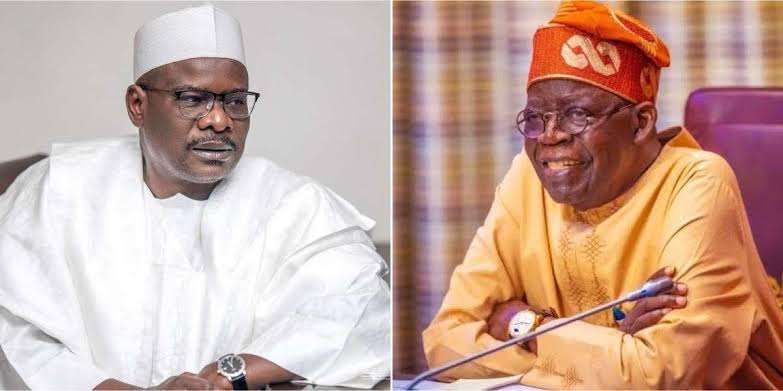
He further criticised some presidential aides, accusing them of taking positions and making public statements that place the President in an embarrassing situation.
Ndume pointed to government announcements that were later reversed, arguing that such inconsistencies raised concerns about the competence of officials handling important responsibilities.
He stressed the need for better communication, public consultation and accountability in the implementation of policies affecting Nigerians.

