


Former President Goodluck Jonathan has urged Nigeria to rebuild its international reputation by addressing political practices that prioritise wealth, ethnic loyalty and personal connections over competence.
Titiansloaded reports that he made the appeal on Saturday in Abuja while delivering the keynote address at the third Paul Alaje Colloquium, themed “The Brand Nigeria”.
Jonathan argued that the country’s leadership recruitment system needed fundamental changes, particularly as Nigeria approaches the 2027 general elections.
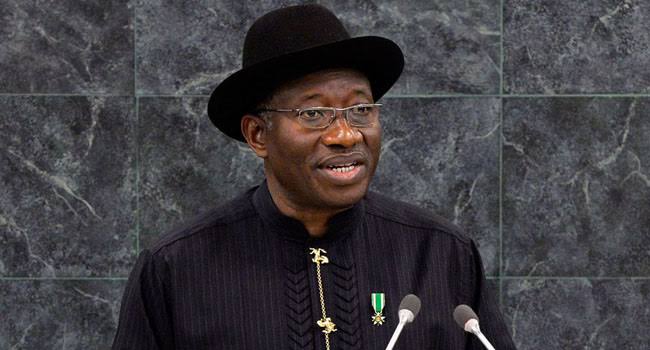
He called for stronger internal democracy within political parties, credible elections and a system that rewards integrity, ideas and ability rather than financial influence and sectional interests.
According to him, corruption, insecurity, abuse of public office and weak institutions have contributed significantly to Nigeria’s declining international image.
The former president also expressed concern over the growing acceptance of unexplained wealth and criminal activities, including cybercrime, drug trafficking and cultism.
He warned that these developments were damaging investor confidence, weakening international relationships and reducing the respect associated with Nigerian identity.
Jonathan further pointed to the country’s passport challenges, noting that visa restrictions and limited international mobility reflected how other nations perceived Nigeria.
He, however, maintained that the country possessed enormous human resources, recalling its contributions to peacekeeping operations in Liberia and Sierra Leone, the anti-apartheid struggle and achievements in sports, entertainment and professional fields.
He cited Singapore, South Korea, Malaysia and India as countries Nigeria could learn from, particularly in institutional discipline, merit-based leadership and human capital development.
Jonathan also advocated increased investment in education, healthcare, agriculture, manufacturing, technology and infrastructure, alongside stronger support for Nollywood, Afrobeats, fashion, literature and sports.
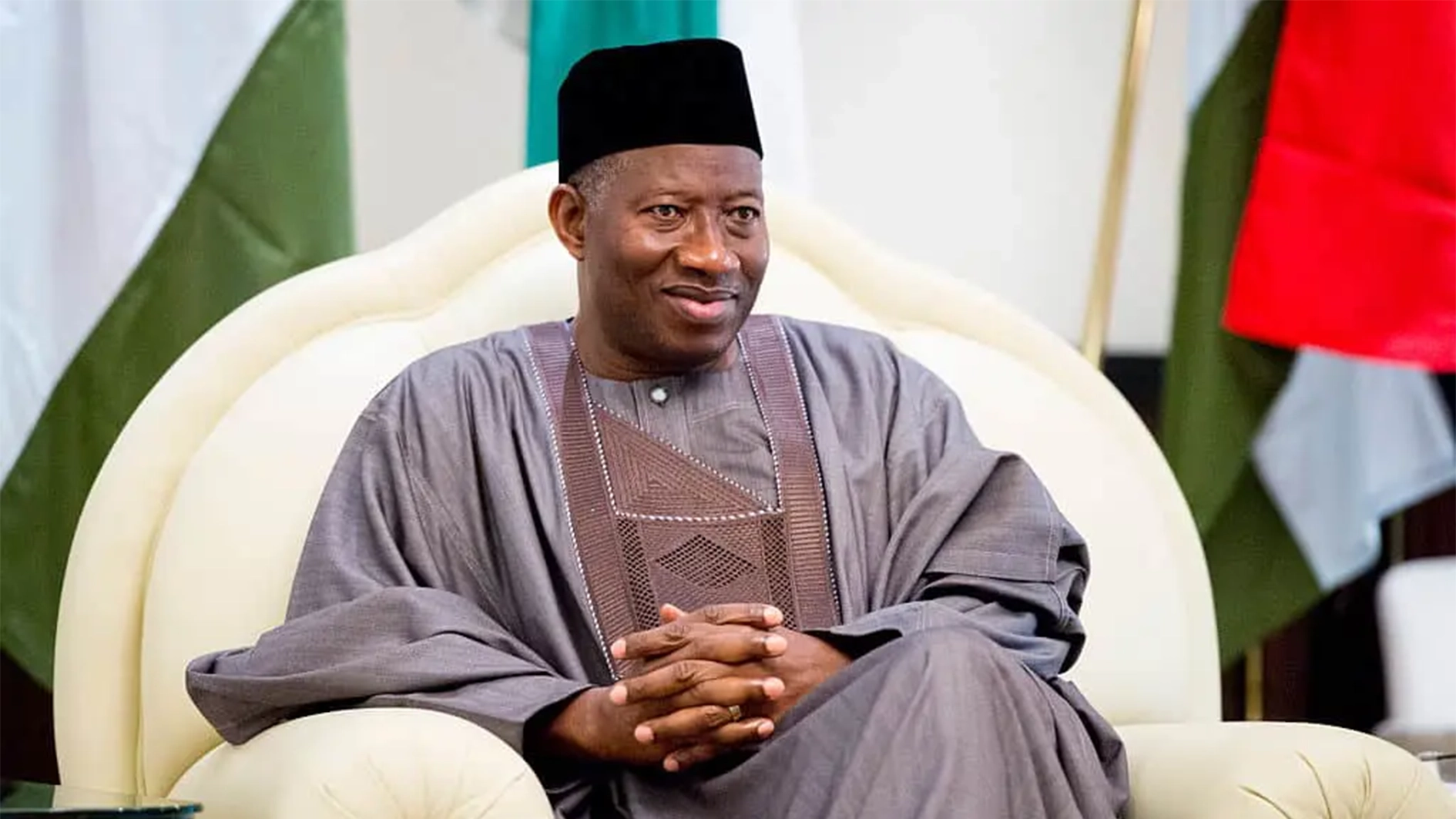
He urged young Nigerians to reject criminality, uphold integrity and demand accountability from political officeholders.
Earlier, colloquium convener Paul Alaje warned that Nigeria could not improve its global standing through publicity campaigns without addressing its economic and institutional problems.
Alaje identified healthcare, security, governance, the creative economy, artificial intelligence and investment as important areas requiring urgent attention.
He stressed that economic reforms must produce jobs, stronger purchasing power and better living conditions, while urging successive administrations to maintain a consistent national development agenda.

