


Israel’s President, Isaac Scherzo, has nominated former military chief Wadi Eisenkot to attempt to form a new government after an inconclusive election left the country’s major political blocs short of the seats needed to govern.
Titiansloaded reports that Eisenkot, a leading opponent of Prime Minister Benjamin Netanyahu, received the highest number of endorsements following the October 27 election, despite his reluctance to work with Arab political parties.
Netanyahu’s religious-nationalist alliance emerged from the poll without a parliamentary majority, although his Likud party secured the highest number of seats among individual parties.
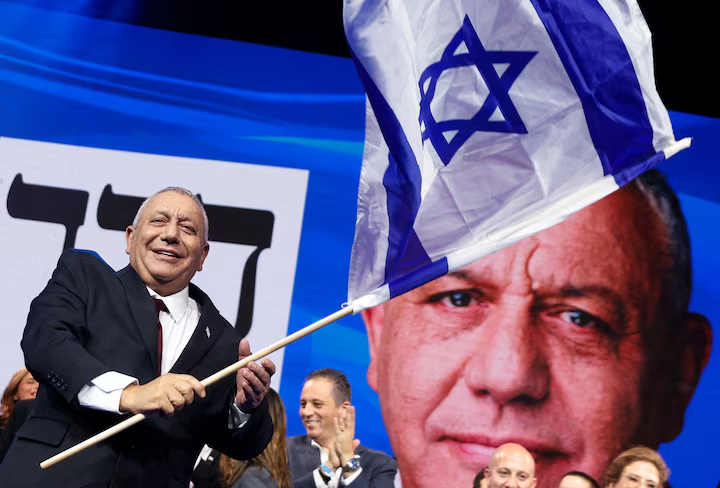
A spokesperson for Scherzo confirmed that Eisenkot had been invited to the President’s Residence and would formally receive the mandate to form a government.
Reacting to the nomination in a post on X, Eisenkot called for the creation of a national emergency government and pledged to make efforts towards achieving that goal.
He has 28 days to secure enough support to form a coalition, with the possibility of a further 14-day extension. However, political observers consider his chances uncertain, given the divisions among the parties.
One possible route would involve securing support from Arab lawmakers on major parliamentary votes to sustain a minority administration.
Other options include reaching an agreement with ultra-Orthodox parties or forming a national unity government with Netanyahu. All three possibilities face significant political obstacles.
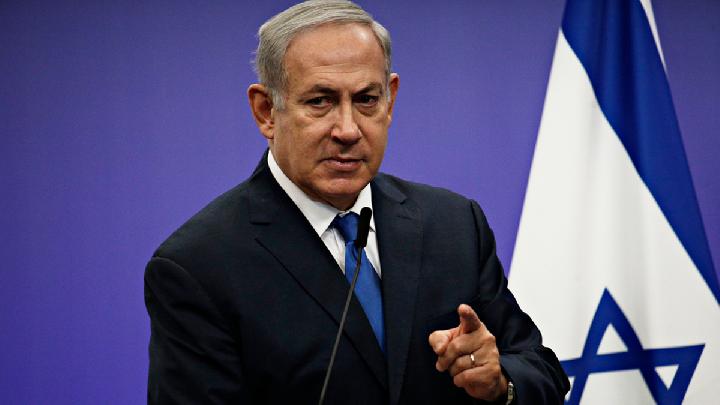
If Eisenkot fails, another politician may be given the opportunity to form a government. Parliament could also nominate another candidate. Should all efforts fail within the stipulated period of about 100 days, Israel would be required to hold another election.
The election results showed that Netanyahu’s Likud party won 27 seats in the 120-member Knesset, while his wider religious-nationalist bloc secured 53 seats, eight short of the 61 required for a majority.
Eisenkot’s Yashar party came second with 21 seats, while the four-party alliance supporting him obtained 48 seats. Meanwhile, parties representing Israel’s Arab minority secured a combined 19 seats.
At 66, Eisenkot could become Israel’s first prime minister from the Mizrahi Jewish community, whose roots are largely traced to the Middle East and North Africa. He is the son of Moroccan immigrants.
The former military chief entered politics in 2022 and briefly served in Netanyahu’s wartime cabinet following Hamas’ October 7, 2023 attack before joining the opposition.
He later became a vocal critic of Netanyahu’s leadership and handling of the Gaza war, ruling out any future partnership with the Prime Minister.
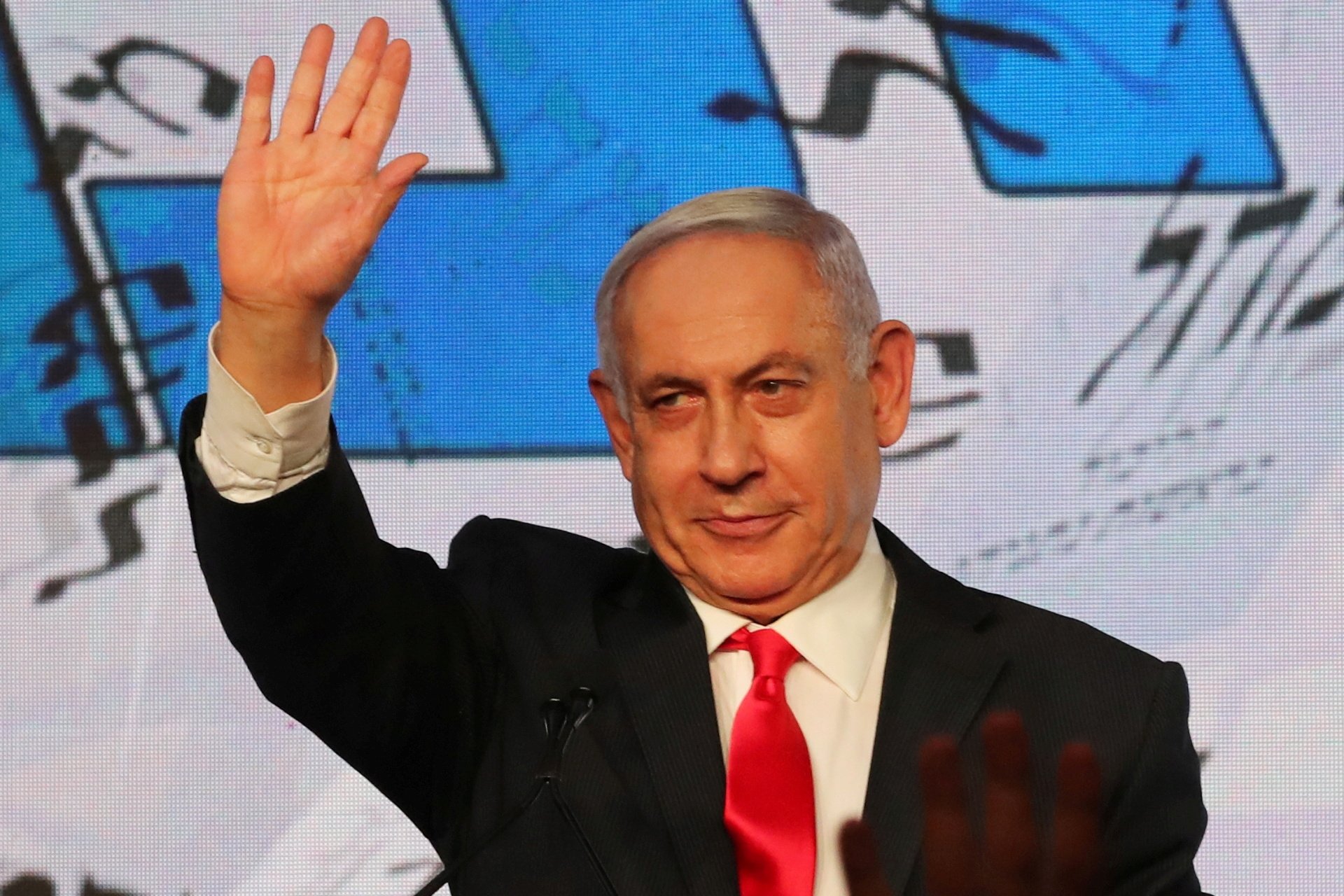
Eisenkot’s family has also suffered losses during the conflict, with his son and two nephews killed while fighting in Gaza.
During his political campaign, he highlighted his military experience, including the use of the so-called Dahiyeh doctrine, which advocates overwhelming force against areas used by hostile groups. He applied the strategy during Israel’s 2006 war with Hezbollah in Lebanon.
He has also criticised violence by Israeli settlers against Palestinians and opposed far-right politicians Itamar Ben-Gvir and Bezalel Smotrich, key figures in Netanyahu’s political alliance.

