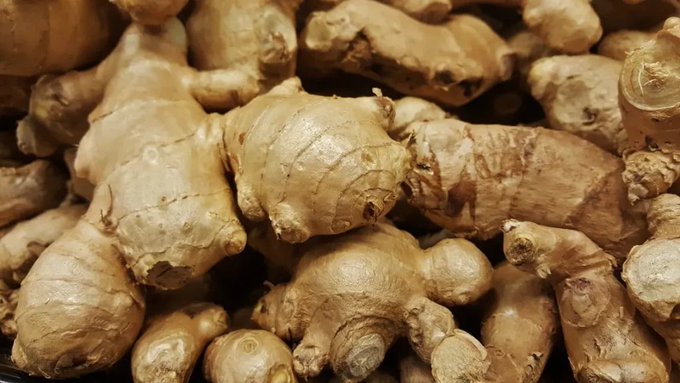
Ginger prices have recorded a sharp increase across major markets in Lagos State, with traders attributing the surge to worsening insecurity in key production areas and declining supply from northern Nigeria.
Titansloaded reports that the price hike has sparked concern among traders, consumers, and small business operators who depend heavily on the commodity for food preparation, beverages, and traditional medicine.
In markets such as Mile 12, Oyingbo, and Mushin, traders confirmed that the cost of ginger has risen significantly in recent weeks, making it more difficult for customers to purchase in bulk as they normally do.
According to market operators, the major factor behind the rising prices is the continued insecurity in northern states, particularly in farming communities where ginger is largely cultivated. These areas have reportedly faced repeated attacks, forcing many farmers to abandon their farms or reduce cultivation activities.
As a result, the volume of ginger arriving in southern markets, including Lagos, has dropped sharply, creating a supply gap that has pushed prices upward.
Traders also pointed to rising transportation costs as another major contributor to the price increase. The cost of moving agricultural produce from northern Nigeria to Lagos has reportedly risen due to high fuel prices and increased logistics expenses.
These combined challenges have forced traders to adjust prices frequently, with many noting that the commodity now sells at nearly double its previous rate in some markets.
Consumers interviewed expressed frustration over the development, saying ginger is a household essential used in cooking, herbal preparations, and beverages, making the price increase difficult to cope with.
Some buyers said they have been forced to reduce their consumption or seek cheaper alternatives due to the rising cost.
The National Bureau of Statistics has previously noted consistent increases in the prices of agricultural commodities, including ginger, driven by supply constraints and inflationary pressures across the food market.
Industry experts have also linked the situation to past disease outbreaks that affected ginger farms in major producing states such as Kaduna, further weakening national output and supply capacity.
Stakeholders have warned that unless insecurity in farming regions is addressed and agricultural productivity is improved, the price of ginger and other essential food items may continue to rise in the coming months.
They also called for stronger government intervention in rural security, better transportation infrastructure, and improved support for farmers to boost production and stabilize food supply chains.
As the supply crisis persists, traders fear further price instability in the ginger market, with consumers across Lagos expected to bear the brunt of the ongoing shortage.