


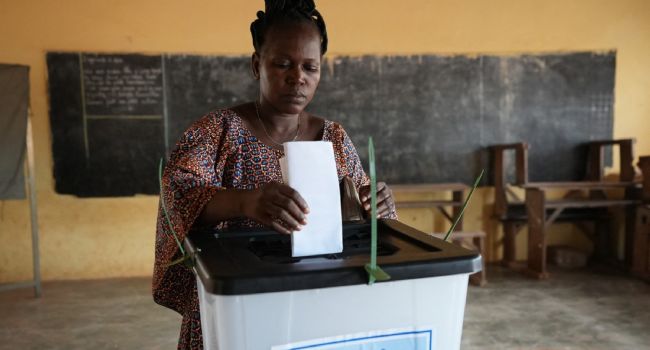
South Sudan has shifted its long-awaited first national elections from December 2026 to February 2027 as political divisions and deadly violence continue to threaten stability in the country.
Titiansloaded reports that the electoral commission announced the revised timetable on Saturday, fixing February 11 as the new voting date, with the final results expected on February 15.
The presidential and legislative polls were initially scheduled for December 22, following several previous postponements since the country gained independence.
Commission Secretary-General Ahon Malou Lueth confirmed the latest adjustment to AFP but declined to explain the reasons behind the decision or provide further information.
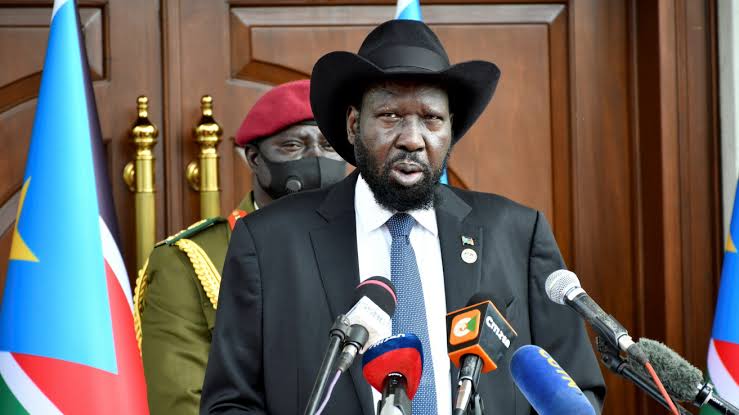
The announcement came as South Sudan faces mounting security challenges involving supporters of President Salva Kiir and allies of former Vice President Riek Machar, whose detention has deepened political divisions.
Government troops and forces loyal to Machar have been involved in increasingly deadly confrontations in recent months, raising concerns about the possibility of another major conflict.
Beyond the political crisis, longstanding ethnic rivalries and violent disputes over cattle have continued to fuel insecurity across the country.
South Sudan, which became independent from Sudan in 2011, experienced a devastating civil war between Kiir’s supporters and Machar’s forces from 2013 to 2018.
The conflict claimed at least 400,000 lives and left millions displaced, making the country’s political transition particularly fragile.
Machar has remained under house arrest since March 2025 after being accused of crimes against humanity.
The latest election postponement was announced on the same day voter registration was expected to begin across the country.
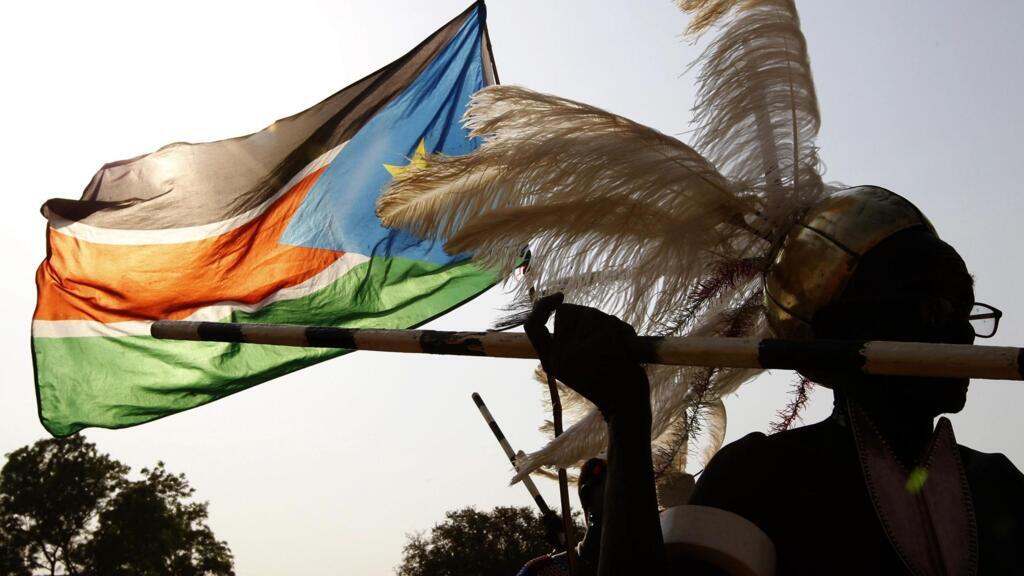
Authorities had established more than 3,100 registration centres, although election officials acknowledged that some locations were still waiting for essential equipment.
The United Nations has repeatedly raised concerns about the deteriorating security situation, including mass displacement, armed confrontations and interruptions to humanitarian operations.
The UN Commission on Human Rights in South Sudan has warned that the growing instability could trigger fresh violence and serious human rights violations.
In October, the commission specifically cautioned that proceeding with elections under the prevailing circumstances could reignite conflict in the world’s youngest nation.

