


Former Ekiti State Governor Ayodele Fayose has suggested that former President Olusegun Obasanjo’s criticism of President Bola Tinubu is connected to an alleged failed attempt to secure the Ogun State governorship for his daughter, Iyabo Obasanjo.
Titiansloaded reports that Fayose made the claim on Monday while speaking on TVC’s Journalists’ Hangout, where he accused the former president of turning against political leaders when they failed to meet his personal expectations.
He alleged that Obasanjo had approached former Ogun State Governor Olusegun Osoba to help persuade Tinubu to support Iyabo’s ambition to govern the state.
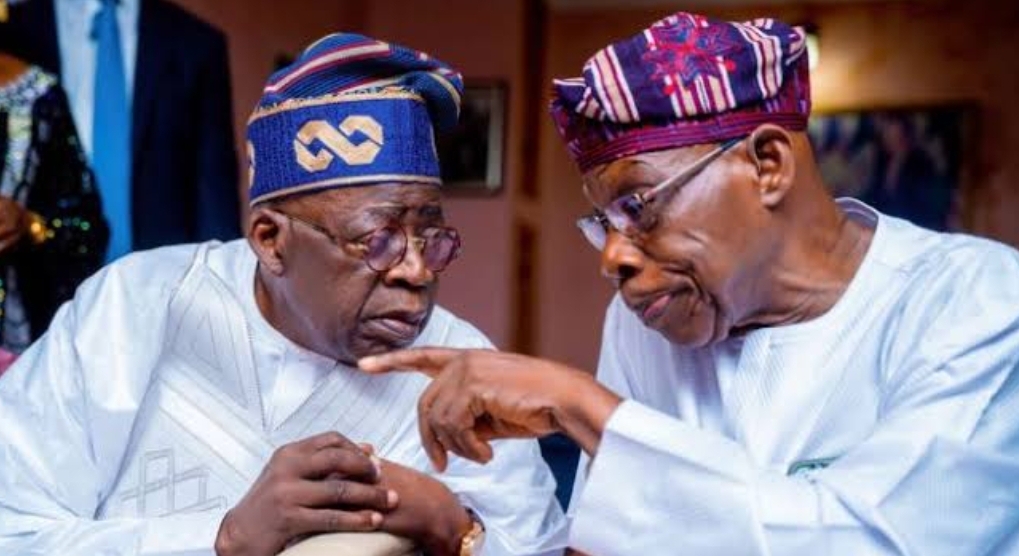
According to Fayose, the alleged request was behind Obasanjo’s cordial reception of Tinubu at the Gateway International Airport in Sagamu during the President’s visit to Ogun State. He claimed the former president spoke positively about Tinubu at the time because he was seeking his support.
Fayose argued that Obasanjo’s attitude changed after the alleged political arrangement failed to materialise.
“Obasanjo himself went to Chief Olusegun Osoba to help him beg Tinubu so that Iyabo Obasanjo would become the governor of Ogun State. That was the reason why Obasanjo came to welcome President Tinubu at the Gateway International Airport, Sagamu, speaking glowingly about him,” Fayose said.
He further claimed that Obasanjo turned to earlier disagreements with Osoba after his alleged request was unsuccessful.
“The moment that did not work, Obasanjo simply remembered what Osoba wrote about him in his book to reply him because what he wanted did not fly,” he added.
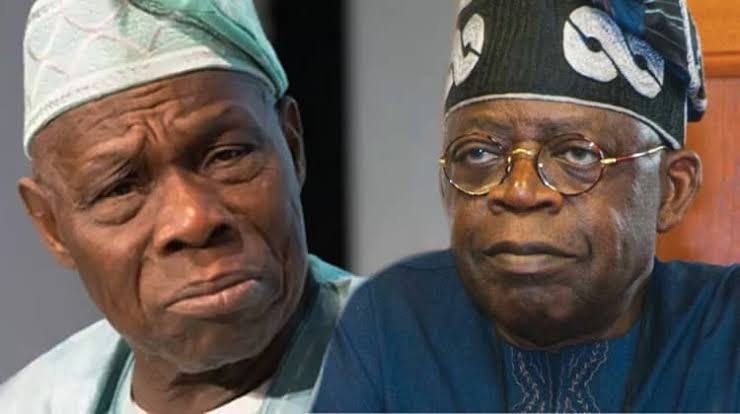
The former Ekiti governor accused Obasanjo of privately seeking political favours before resorting to public attacks when his requests were rejected.
Fayose also questioned the former president’s criticism of Tinubu over corruption, arguing that the alleged attempt to influence a governorship arrangement contradicted his public position.
“You are accusing President Tinubu as corrupt, but you still went through the back door to request that he does the impossible things for you,” he said.
Although Fayose defended the right of Nigerians to Briticism political leaders, he maintained that criticism should be accompanied by suggestions on how to address the country’s problems.
He also rejected the idea that Obasanjo’s former position as president gave him special authority over Nigeria’s political affairs, stressing that every eligible voter had equal voting power.
Fayose argued that Obasanjo should acknowledge the emergence of new political figures rather than assume that his former influence remained unchanged.
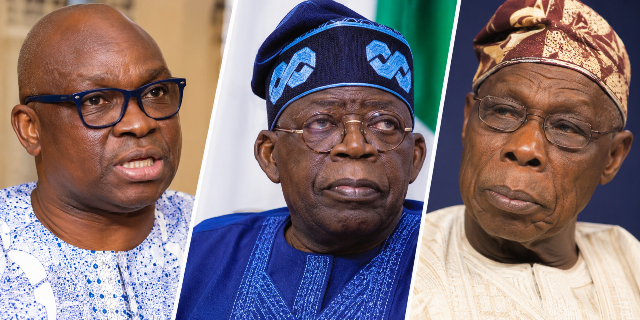
Drawing from his experience in Ekiti politics, he said politicians often attract significant public attention while contesting elections, but their visibility and fellowship can decline after leaving the political race.
He described Obasanjo as fortunate to remain a prominent voice in national discussions despite leaving office years ago, noting that several former presidents had faded from public attention.
Fayose also challenged Obasanjo’s record on human rights, referring to the military operation that destroyed Odi community in Bayelsa State during his administration.
He condemned the destruction of the community, arguing that the actions of some individuals should not justify the loss of lives and widespread devastation.
The former governor concluded that Obasanjo should allow Tinubu to exercise his presidential mandate without attempting to dictate how the country should be governed.
He said Obasanjo had served his time in public office and should now give younger political actors room to shape Nigeria’s future.

