


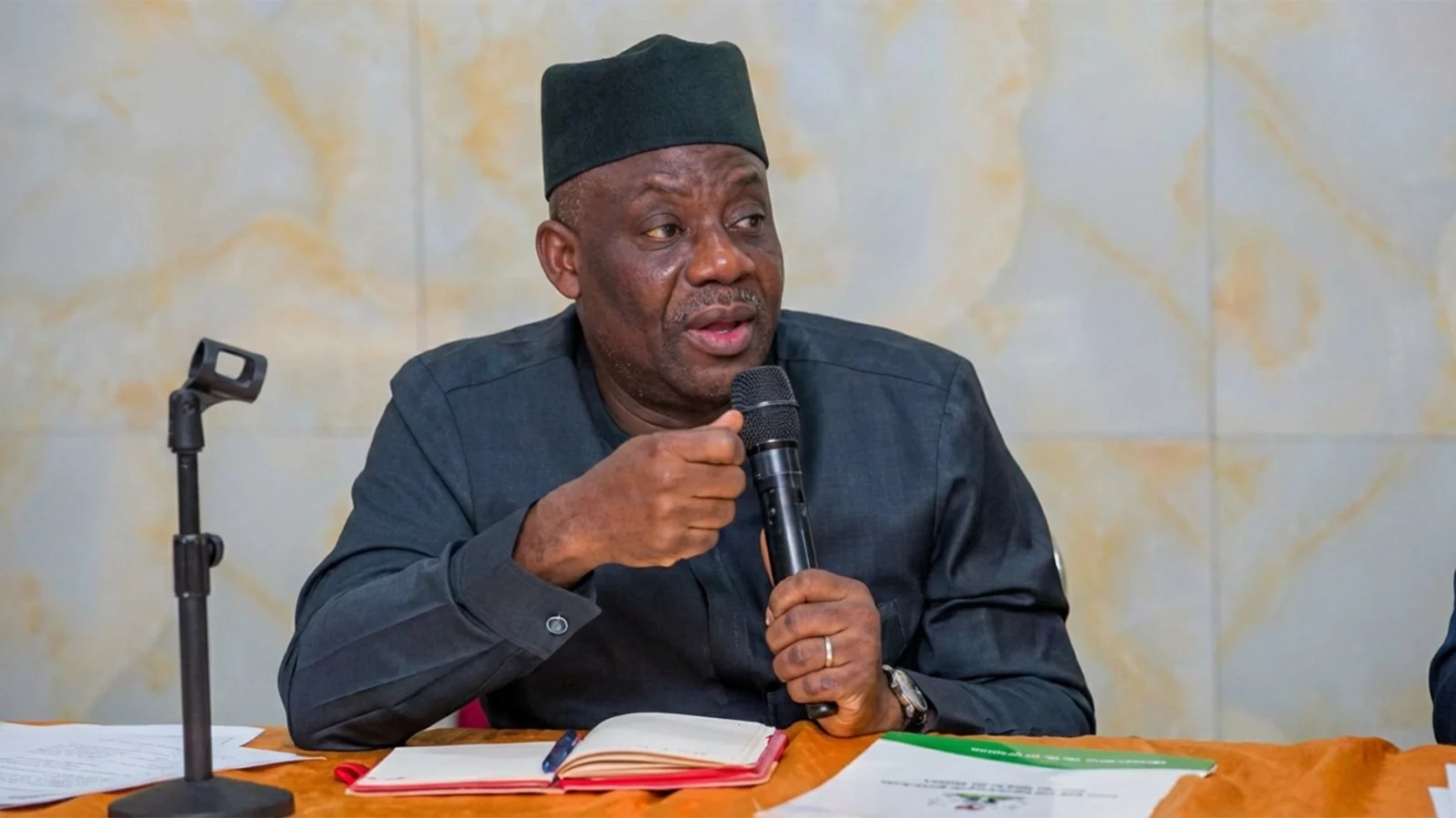
The Minister of Education, Dr Tunji Alausa, has defended President Bola Tinubu’s education record, accusing opposition figures of overlooking government interventions and giving Nigerians what he described as misleading accounts of its policies.
Titiansloaded reports that Alausa specifically criticised former presidential candidate Peter Obi, arguing that his comments about the administration’s education reforms showed a lack of understanding of the laws guiding some of the initiatives.
The minister made the remarks during a media briefing at the All Progressives Congress Presidential Campaign Council headquarters in Abuja, where he highlighted the government’s student loan programme, tertiary institution infrastructure, funding arrangements and plans to tackle shortages of academic personnel.
Reacting to Obi’s position, Alausa said the former Anambra State governor should familiarise himself with the relevant legislation before making public statements about the government’s policies.
“What Mr Obi is saying is borne out of ignorance. He needs to read the law. This is the law of Nigeria,” the minister said.
He further accused Obi of attempting to mislead the public through his criticism, adding, “If Mr Obi wants to blame me and mislead the public and Nigerians, that tells you the kind of person he is.”
On the funding of the Nigerian Education Loan Fund, Alausa explained that the four per cent development levy established under the Nigeria Tax Act was intended to provide a sustainable source of financing for the scheme.
He said the legislation specifically assigns 15 per cent of the levy’s proceeds to NELFUND, maintaining that the provision was clearly stated in the law.
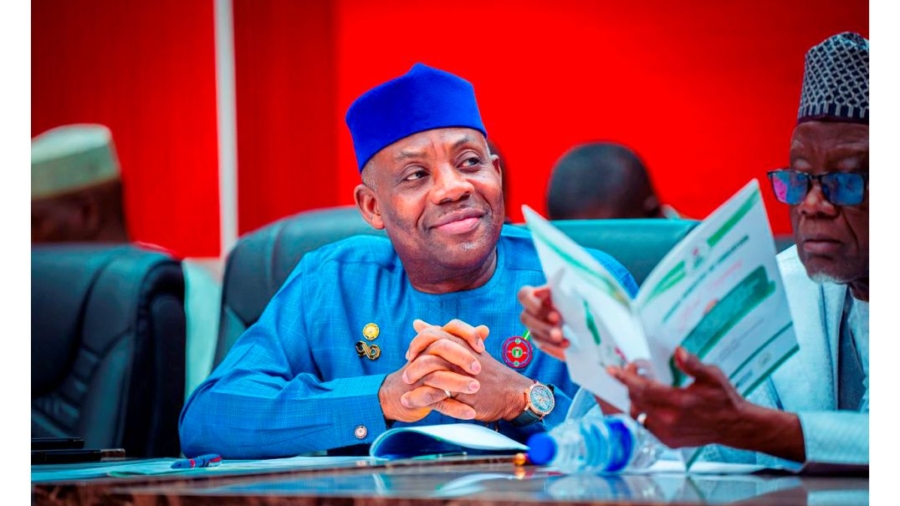
The minister also defended the administration’s interventions in tertiary education, saying student loans and infrastructure investments had helped more Nigerians gain access to higher education.
He added that the government was working to reduce the shortage of lecturers and other academic personnel across universities and higher institutions.
According to Alausa, nearly three million students in tertiary institutions and another 200,000 in secondary schools have benefited from the administration’s education programmes.
He maintained that the government was more concerned with delivering measurable improvements than introducing additional policy documents.
“We have enough policies in Nigeria. We want tangible benefits for Nigerians. So, every single thing about today is not about policies. What I am trying to tell you is how Nigerians are benefiting,” he said.
Alausa also disclosed that guidelines had been prepared to strengthen university administration, particularly the process of appointing vice-chancellors.
He said monitoring committees had been established to ensure compliance with the guidelines and address concerns, including bullying in schools.
The minister further stated that the government was tracking the implementation of recommendations from earlier education review panels, insisting that outstanding proposals must be addressed before another review exercise begins.
Obi has repeatedly questioned the Tinubu administration’s education spending and the impact of its policies.
In July, he opposed the planned phasing out of the separation between junior and senior secondary schools, arguing that poor funding, weak leadership and inadequate management were more pressing problems.
He also criticised the 2026 education budget, claiming that the sector received 6.17 per cent of total expenditure, below UNESCO’s recommended allocation of 15 to 20 per cent.
The Federal Government, however, has listed student financing, basic education, technical and vocational training, digital learning and teacher development among its major interventions.
Official figures released by the government indicated that NELFUND had disbursed ₦372.62bn to students in 319 tertiary institutions.
The administration has also reported programmes aimed at bringing out-of-school children back into classrooms and expanding access to technical education.
Alausa’s defence of the reforms comes as the ruling APC steps up its efforts to secure another term for Tinubu in the 2027 general election.
The minister has previously argued that the President’s performance in different sectors, including education, supports his re-election bid.

